


In the heart of a rapidly developing community called powerline around Ikorodu environmental sustainability had become a matter of growing concern. Once known for its beautiful landscapes, clean streams, and thriving vegetation, the community was gradually experiencing the negative effects of pollution, deforestation, improper waste disposal, and uncontrolled urban development.
For decades, the people of Powerline had enjoyed the benefits of their natural environment without fully understanding the importance of protecting it. Trees provided shade, rivers supplied water, and fertile land supported agriculture. However, as the population increased and commercial activities expanded, the environment began to deteriorate.
Plastic waste accumulated along roadsides, drainage channels became blocked, and the community’s once-clear river gradually turned polluted. The air quality also declined as vehicles, generators, and small industries released smoke and other harmful emissions into the atmosphere.
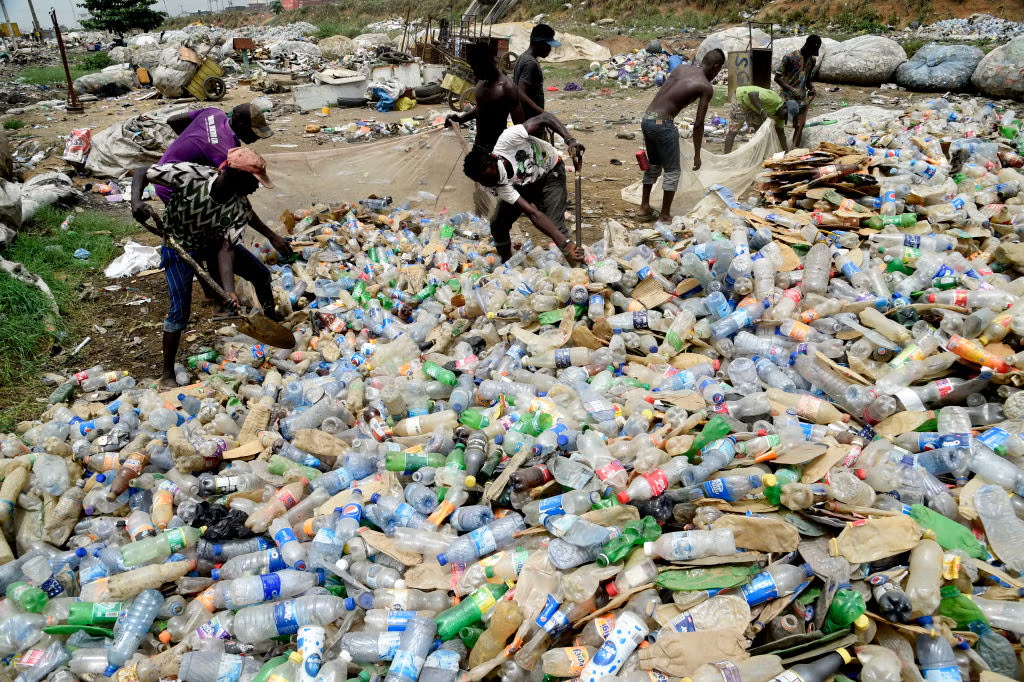
The consequences became increasingly difficult to ignore. Heavy rainfall frequently resulted in flooding because drainage systems were obstructed by refuse. Farmers experienced declining soil fertility, while residents complained about unpleasant odours, contaminated water, and the disappearance of certain plant and animal species.
Residents News Pitch Media interviewed Mr. James, a resident who shared his firsthand experience of the environmental damage caused by unsustainable human activities. During the interview, he highlighted the negative impact of these activities on the environment and stressed the need for greater public awareness and collective action to promote environmental sustainability.
Mr. James emphasised that environmental sustainability should not be viewed solely as the responsibility of the government or international organisations. He noted that every individual, household, business, and institution has a critical role to play in protecting the environment and promoting sustainable practices for the benefit of present and future generations.
News Pitch Media reported that many environmental challenges stemmed from a combination of inadequate infrastructure, limited public awareness, inefficient waste collection systems, and irresponsible waste disposal practices. He emphasised that achieving sustainable and lasting environmental improvements would require comprehensive public education, active community participation, effective environmental policies, and consistent enforcement of existing regulations.
Building Environmental Awareness
The initiative began with a public awareness campaign designed to help residents understand the meaning and importance of environmental sustainability. sustainability involved meeting present needs without compromising the ability of future generations to meet their own needs.
I emphasised that environmental protection extended beyond planting trees or cleaning streets. It also involved conserving water, reducing waste, protecting wildlife, limiting pollution, improving energy efficiency, and making decisions that supported long-term ecological balance.
Conclusion
Environmental sustainability is essential to the long-term survival, prosperity, and development of human society. It entails the responsible management of natural resources, the prevention of environmental pollution, the protection of biodiversity, the adoption of clean and sustainable technologies, and the advancement of environmentally responsible economic activities. These measures are critical to preserving ecological balance, addressing environmental challenges, and ensuring that future generations can meet their needs without compromising the well-being of the planet.


